Sources Program #3: EYE OPACITIES
Bioresonance and photobiomodulation frequency spectrums specifically mapped for Program #3 (Cataracts & Lens Clarity).
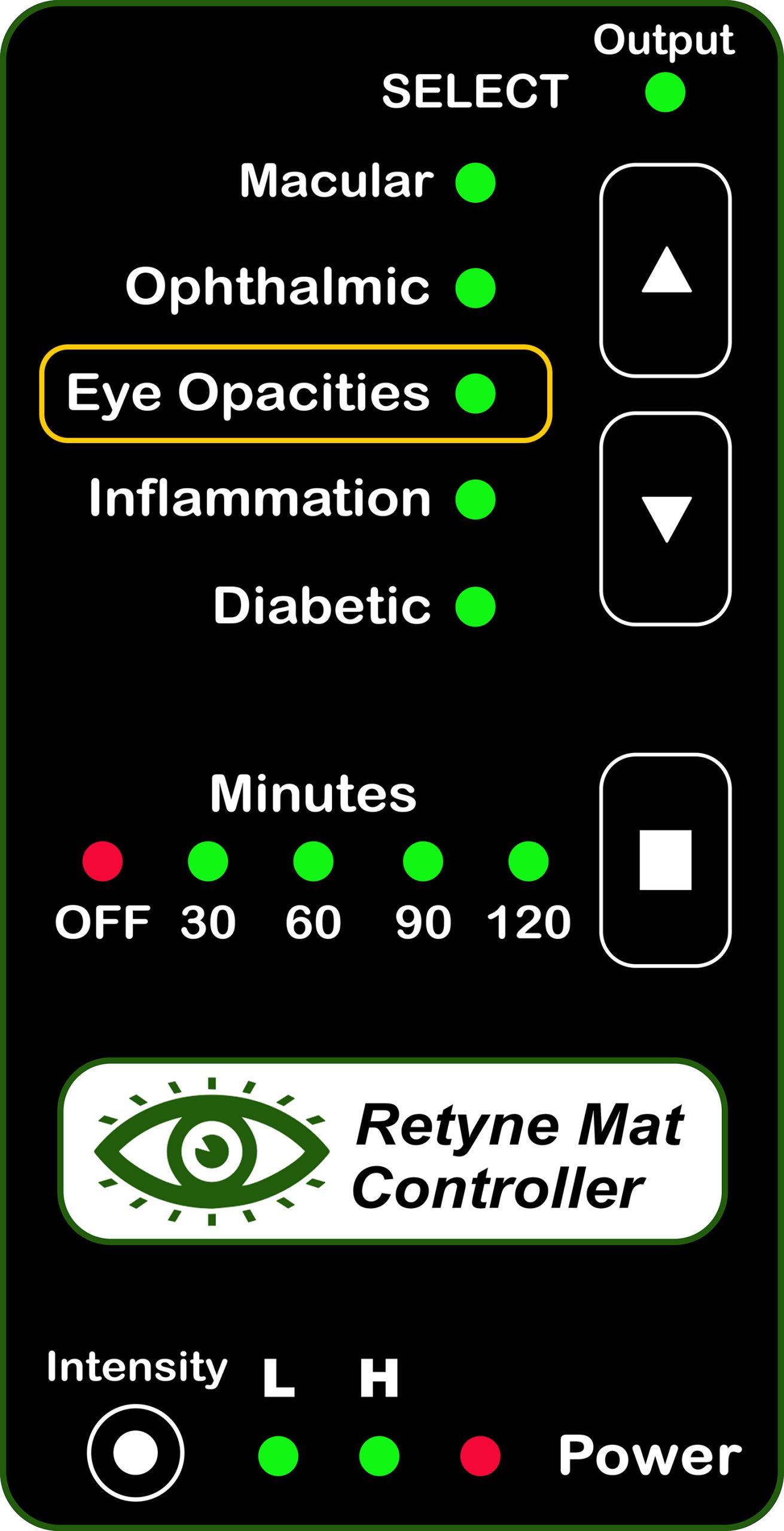
Standard Controller: Program #3 Mode
Program #3: EYE OPACITIES Protocol
The Retyne Mask is equipped with a Standard Controller upon shipment, containing 50 frequencies organized into 5 distinct Groups:
For Eye opacities disorders, the Retyne mask employs Program #3, categorized as a “General” Group, compatible with themask ‘s accompanying Controller. The following list enumerates these disorders, along with brief justifications for their inclusion in Program #3. This Group encompasses specific frequencies or frequency ranges deemed optimal for treating the respective eye disorders.
Bioresonance testing and research have identified specific frequencies within Program #3 that demonstrate efficacy in treating a diverse range of eye disorders, despite their seemingly unrelated nature. As a result, certain eye disorder frequencies within Program #3 have been included to accommodate these shared frequency characteristics.
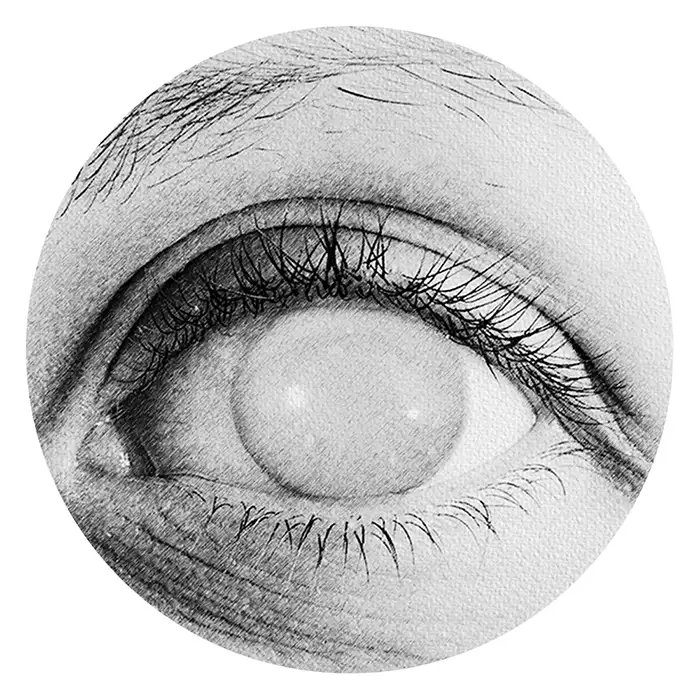
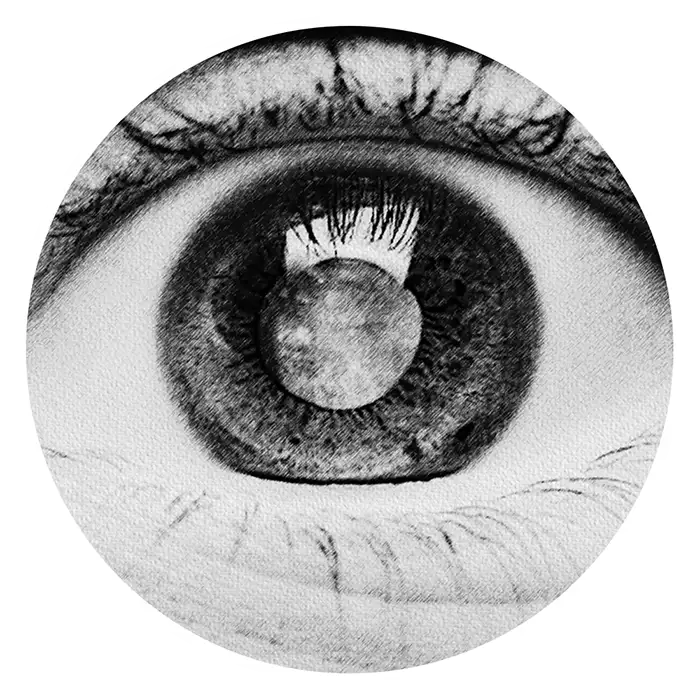
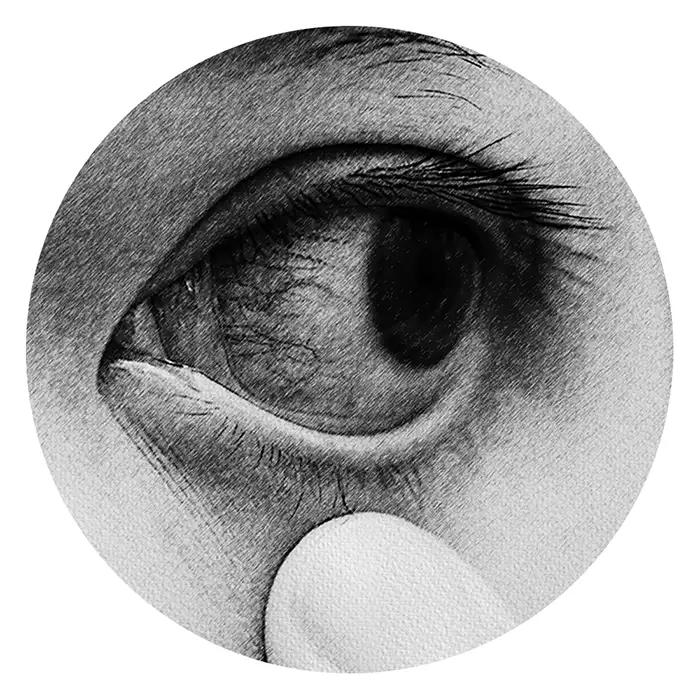
Eye opacities refer to any condition where there is cloudiness or loss of transparency within the eye’s structures, including the cornea, lens, or vitreous humor. These opacities can manifest in various forms, such as cataracts, lens disorders, or nuclear sclerosis, and can significantly impair vision if left untreated.
Cataracts are one of the most common types of eye opacities, characterized by the gradual clouding of the eye’s natural lens. This cloudiness can develop due to aging, UV exposure, or other factors, leading to blurred vision, glare, and difficulty seeing in low light conditions. Lens disorders encompass a range of conditions affecting the clarity and function of the eye’s lens, including abnormalities in shape, structure, or position. Nuclear sclerosis refers to the natural aging process of the eye’s lens, where it becomes more dense and less transparent over time, resulting in reduced visual acuity, particularly with near vision tasks.
The Retyne Opacities program is designed to address various types of eye opacities, including cataracts, lens disorders, and nuclear sclerosis, using targeted frequency therapy delivered through the Retyne Lightmask . By emitting specific frequencies that resonate with the affected ocular tissues, the Retyne Opacities program aims to promote clarity and transparency, restore normal function, and improve visual acuity.
For optimal utilization of the Retyne Opacities program, individuals should position the Retyne eye mask on their head, aligning the invisible infrared ellipse area with their eyes. This configuration facilitates the administration of specific frequencies via themask ‘s infrared light interface, targeting the underlying causes of opacities and promoting cellular regeneration and repair. Over time, this therapy may help to reduce the severity of opacities, improve visual function, and enhance overall eye health.
It’s important to note that while the Retyne Opacities program may offer benefits for individuals with eye opacities, including cataracts, lens disorders, and nuclear sclerosis, its efficacy may vary depending on factors such as the type and severity of the opacity, overall eye health, and individual response to frequency therapy. As with any medical intervention, consultation with an eye care professional is recommended to determine the appropriateness of the Retyne Opacities program and to monitor progress throughout the treatment process.
RDPV4 Direct Connection Setting
Some Program #3 eye disorders consist of multiple symptoms, so can be used in conjunction with one of the other 4 available controller programs, or use a specific group with the RDPV4 machine. This group may be marked “Specific Group” or “Alternate Group” and the program can be accessed through the menu on the RDPV4 machine. The Retyne Light mask can be directly connected to the RDPV4 machine to utilize Specific Group settings, eliminating the need for the controller
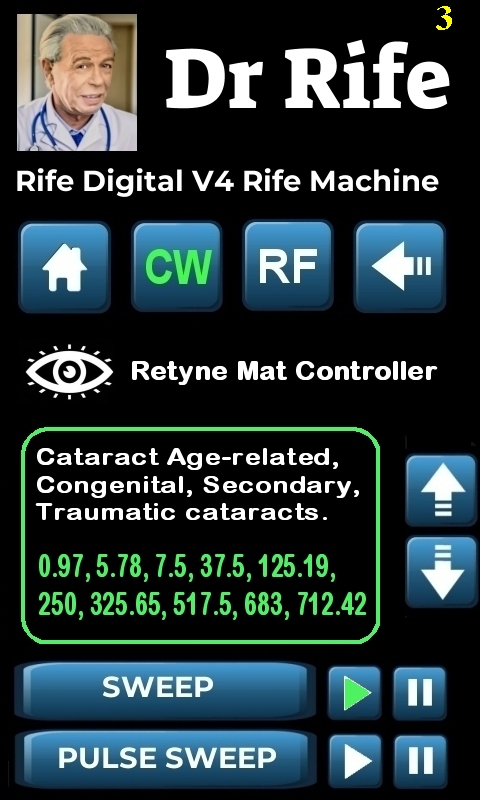
RDPV4 Machine Interface: Program #3
Eye disorders appropriate for categorization in Group #3 Program
Note: Some Program #3 eye disorders consist of multiple symptoms, so can be used in conjunction with one of the other 4 available controller programs. This will be indicated where necessary. For further details on utilizing multiple programs with the Retyne device, please refer to the “How to Use the Retyne” page.
- Cataracts: Clouding of the eye’s lens leading to blurred vision.
- Coloboma: Congenital gap or hole in eye structures.
- Congenital cataracts: Clouding of the lens present at birth.
- Cortical cataract: Clouding of the lens cortex.
- Epiretinal Membrane (ERM): Thin layer of scar tissue on the retina causing distortion.
- Lens Disorders: Various abnormalities affecting the eye’s lens.
- Low Vision: Visual impairment that cannot be corrected with glasses or contacts.
- Macular Pucker: Wrinkling or folding of the macula causing distorted vision.
- Nuclear sclerosis: Age-related hardening and yellowing of the lens nucleus.
- Posterior capsule opacification (PCO): Clouding of the lens capsule after cataract surgery.
- Secondary cataract: Clouding of the lens after eye surgery or due to other eye conditions.
- Traumatic cataract: Lens clouding caused by eye injury or trauma.
* Program 3 is a shared category denoting interconnectedness and co-listings with other eye disorders, potentially sharing frequencies to facilitate comprehensive treatment across distinct categories
Learn More About the Retyne Mask & Protocols
Explore device connections, instructions, and full condition listings.